

Noble Ones : ค้นหาหนังสือธรรมะ หน้า 2 / 3
หน้าหนังสือทั้งหมด
72
Understanding Nirvana and the Path to Enlightenment
Nirvana
Nirvana (Pali, Nibbanna) is the state of ultimate happiness -- the happy condition of enlightenment -- the highest spiritual attainment. This is not the sense-based happiness of everyday life;
Nirvana, or Nibbanna, represents the ultimate state of happiness in Buddhism, transcending the sense-based joys of daily life. Attaining Nirvana marks the end of the rebirth cycle, granting liberation
12
The Noble Eightfold Path: Key Concepts and Insights
7 The Noble Truth of the Path to the Cessation of Suffering .................... 117
The Noble Eightfold Path 117 • Right View 118 • Right Intention 118 • Right Speech 118 • Right Action 118 • Right L
The Noble Eightfold Path is a fundamental Teaching of Buddhism aimed at overcoming suffering. It consists of eight essential practices: Right View, Right Intention, Right Speech, Right Action, Right L
54
Understanding the Origin of Suffering in Buddhism
2.2 The Origin of Suffering as a Cause
In explaining the Origin of Suffering, the Buddha intended to make clear that the suffering experienced by living beings has craving as its cause. As soon as the
In this examination of the Buddha's teachings, the Origin of Suffering is explained as being rooted in craving, which leads to a cycle of suffering. The relationship between the Origin of Suffering an
59
Understanding the Noble Truths of Suffering
by reflecting on Suffering's meaning at 2, 3 and 4 in that
order. As for the the meaning at 2, even though it is con-
cerned with the Noble Truth of Suffering, it has implications
reaching to the Orig
The text reflects on the meanings of Suffering within Buddhism, particularly its Noble Truths. It discusses how the meanings related to Suffering connect with the Origin, Cessation, and the Noble Eigh
200
The Middle Way and the Four Noble Truths
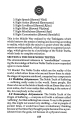
3. Right Speech [Sammā Vācā]
4. Right Action [Sammā Kammanta]
5. Right Livelihood [Sammā Ājīva]
6. Right Effort [Sammā Vāyāma]
7. Right Mindfulness [Sammā Sati]
8. Right Concentration [Sammā Samādhi]
This text discusses the Middle Way as taught by the Tathāgata, emphasizing the importance of Right Speech, Action, Livelihood, Effort, Mindfulness, and Concentration as a means to attain insight and e

67
มรรคมีองค์ ๘ และไตรสิกขา
The two steps of the Noble Eightfold Path
included in Wisdom are Right Understanding
and Right Thought.
(มรรค ๒ องค์ ในมรรคมีองค์ ๘ ซึ่งจัดเป็นเรื่อง
๒
ของปัญญา ก็คือ สัมมาทิฏฐิ และสัมมาสังกัปปะ)
A: I
The two steps of the Noble Eightfold Path included in Wisdom are Right Understanding and Right Thought. (มรรค ๒ องค์ ในมรรคมีองค์ ๘ ซึ่งจัดเป็นเรื่อง ของปัญญา ก็คือ สัมมาทิฏฐิ และสัมมาสังกัปปะ) A: In
34
Buddhist Teachings on Sensual Pleasures
…fing.
Thus, the Lord Buddha taught that indulgence in the pleasures of the senses is shunned by the Noble Ones [ariyapuggala]1, just like a girl of the untouchable caste [canda la]2 would be shunned by a brahmi…
…g suffering akin to licking honey from a razor blade or being misled back to the fires of hell. The Noble Ones, who have transcended such desires, shun these pleasures, recognizing their ill effects. These teac…
44
Qualities of a Stream-Attainer in Buddhism
…namely,
unwavering confidence in the Buddha, dhamma, Sangha; and the perfect virtues
beloved of the noble ones (ariyakanta-sila). D.II.93-94.
5. Having quitted of the five evils, as well as having penetrated th…
This text delves into the characteristics of a Stream-attainer, identified as a noble disciple who is reborn to a transcendental plane through the Buddha's teachings. Key qualities include association
11
The Noble Truths of Suffering
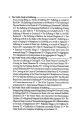
4 The Noble Truth of Suffering ........................................... 57
Every Living Being is a Victim of Suffering 57 • Suffering as a result of
Birth 58 • The Suffering of Internment in the Wo
เนื้อหาเกี่ยวกับสัจธรรมทั้งสี่ซึ่งกล่าวถึงทุกข์และวิธีการดับทุกข์ในศาสตร์ของพุทธศาสนา รวมถึงอธิบายความสำคัญของการเข้าใจทุกข์และการพึ่งพาไม่ให้จิตใจเสพติดความสุขชั่วครั้งชั่วคราว การบรรลุถึงสภาวะนิพพาน
59
Understanding Dhamma and Nibbāna
The parallel usage of dhammakāya and dhammabhūta with brahmakāya and brahmmabhūta suggests further that the term dhamma in the passage should refer to Nibbāna. Indeed, it is possible also to say that
This study delves into the concepts of dhamma and Nibbāna, positing that dhamma refers to transcendental dhamma, which serves as a transformer and defilement eradicator. It explores how the realizatio
68
Dhammakāya and Noble Disciples
VI. Reference 3: Dhammakāya and Noble Disciples
Besides the term’s relation to the Buddha and Paccekabuddhas, a Pāli canonical reference mentions also the relation of dhammakāya with noble disciples.
In the context of Pāli texts, the term dhammakāya is linked to noble disciples as evidenced in the story of Gotamī, the great nun and Buddha's foster mother. As she approaches her passing, Gotamī refl
72
Understanding the Levels of Dhammakāya and Noble Disciples
In regard to the different levels of dhammakāya, the canon talks about the different states of trainees (sekha) and non-trainees (asekha). The former refers to states in which a further course is yet
The text elaborates on the different levels of dhammakāya, categorizing trainees and non-trainees based on their qualities and practices. Trainees are seen as individuals who still have further course
35
The Noble Eightfold Path for Successful Trainers
CHAPTER 4
BEGINNING TO BE A SUCCESSFUL TRAINER
THE NOBLE EIGHTFOLD PATH
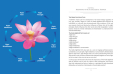
A definitive master plan for development of all human beings regardless of race, age, sexuality, religion or creed, the Noble E
This chapter outlines the Noble Eightfold Path as an essential framework for trainers committed to personal and professional development. Each of the eight principles—right view, thought, speech, acti
78
The Teachings of the Buddha
The Teachings of the Buddha
The Teachings of the Buddha are known as Dhamma, a Pali word for the Truth, the law of righteousness. In his first sermon the Buddha emphasized that one should live the Mi
The Teachings of the Buddha, known as Dhamma, emphasize the Middle Way, avoiding extremes of indulgence and self-mortification. Central to Buddha's teachings are the Four Noble Truths, which acknowled
26
The Noble Truths and the Path to Nirvana
3. The Noble Truth of the Cessation of Suffering [dukkhanirodha ariyasacca];
4. The Noble Truth of the Path to the Cessation of Suffering [dukkhanirodhåkāmıni ariyasacca].
Apart from allowing Prince S
This text delves into the Four Noble Truths, emphasizing the cessation of suffering and the path leading to it. The Middle Way enables Prince Siddhattha to attain enlightenment and Nirvana while alive
56
The Noble Eightfold Path and the Cessation of Suffering
"The wise one who trains himself [yoĝāvācara] should see that the builder is ‘Craving’ who fashions the home that is the physical body of each and every living being, to keep those living beings being
This text delves into the teachings of the Buddha regarding the nature of craving as the cause of suffering and the means of escape through the Noble Eightfold Path. The concept of the 'Elixir of Deat
95
The Noble Truth of the Cessation of Suffering
The Noble Truth of the Cessation of Suffering
When the Lord Buddha had finished his explanation of the origin of suffering, he continued with an explanation of the cessation of suffering. The essence
This text explains the Buddha's teaching on the cessation of suffering, emphasizing the importance of extinguishing craving through the Noble Eightfold Path. It highlights that addressing the root of
53
Understanding Dhamma and Nibbāna in Buddhism
…ation as 'transcendent dhammas' especially 'Nibbāna.'
In this case, it does not mean that all the noble ones possess all transcendental paths and fruits. The noble disciples of lower levels have not possessed…
This text explores the concept of dhamma in relation to the Buddha and Arhat disciples, particularly the notion of Nibbāna as the essence of their enlightenment. It argues that dhamma, especially in t
43
Understanding the Noble Discipleship in Buddhism
Vin.II.192, A.IV.186, 210, 213
Just as a piece of clean cloth that is deprived of dirt would well-absorb the dye, the pure and clear eye of dhamma (dhammacakku) arose to the man, on that current seat
The text discusses the qualities of noble disciples in Buddhism, emphasizing the importance of clear perception of dhamma and the eradication of doubts and fetters. It describes the transformation exp
45
Understanding Dhamma and Spiritual Realization
This corresponds to the set of four activities41 belonging to a Stream-attainer (sotāpattiyānga) which brings about other sets of qualities.
The titles ‘born of dhamma’ (dhammaja) and ‘created by dham
This content discusses the process of spiritual attainment through dhamma, emphasizing four key activities that lead to the emergence of noble qualities. It highlights how listening to the Buddha's te